Some people pertain to the barn intending to ride. Others arrive due to the fact that they can not endure a day at school, or their upper body feels limited by 8 a.m., or the world seems like it is yelling. When they turn a leg over a silent, steady horse and the stroll begins, their breath adjustments. Shoulders drop. The body listens to a rhythm older than language. This is where mounted sessions for somatic policy live, in the simple and profound conversation between a human nerve system and a relocating horse.
What we imply by somatic policy on horseback
Somatic policy describes just how the body adjusts itself back towards steadier states. It is not a technique of the mind. It is the method joints straighten when the hips complies with a rolling stride, the method the diaphragm liberates when the torso rises and falls in time with a walk. On a steed, that input is continuous, three dimensional, and mercifully nonverbal. You do not need to describe your early morning. The equine brings you, and your body learns.
Mounted work sits within a broad area referred to as equine-assisted solutions. Programs use different terms depending upon their scope and qualifications. Therapeutic horsemanship frequently refers to mounted and unmounted abilities instructed by trainers with specialized training in impairment assistance. Some centers run an autism equine discovering program concentrated on communication and sensory pacing. Others tilt toward equine-facilitated wellness or equine-assisted coaching, which can include leadership development, relationship abilities, or anxiety assistance with horses for teenagers and adults. Not every facility does whatever, and not every person must be installed right now. What they share is a belief in experiential discovering with steeds as a path to nerve system health.
Why activity matters greater than talk when the body is overloaded
I have coached individuals that might state calming mantras without changing their heart rate. Their necks still braced. Their jaws still clicked. Nerve systems respond best to input that feels secure, balanced, and foreseeable. A steed's stroll, at a relaxed pace, delivers hundreds of micro modifications per min to the rider's hips, spine, and shoulders. If you have watched an infant being shaken to sleep, you have seen the same principle at work.
There is additionally heat. Horses are huge animals with strong circulation, and cyclists really feel that via the saddle. For somebody who runs cool when nervous or closed down, that constant heat can be grounding. The viewpoint change aids too. A kid scanning every edge of a class for hazards sees the globe differently from the back of a horse. Elevation changes vantage, and vantage modifications stories.
Somatic recovery with equines is not magical. It is timing, contact, equilibrium, and count on, repeated sufficient times that the body starts to anticipate ease.
The horse as co‑regulator, not a tool
The ideal horses for this job were not birthed with unique halos. They correspond, curious, and sincere. They additionally have clear boundaries. A horse that endures whatever without viewpoint is not safe over the long haul. A truly restorative partner reads humans quickly and offers understandable comments. If a biker tenses, the horse slows or shifts an ear back, and when the motorcyclist breathes, the steed softens in return. That loophole, usually called co‑regulation, is the whole point.
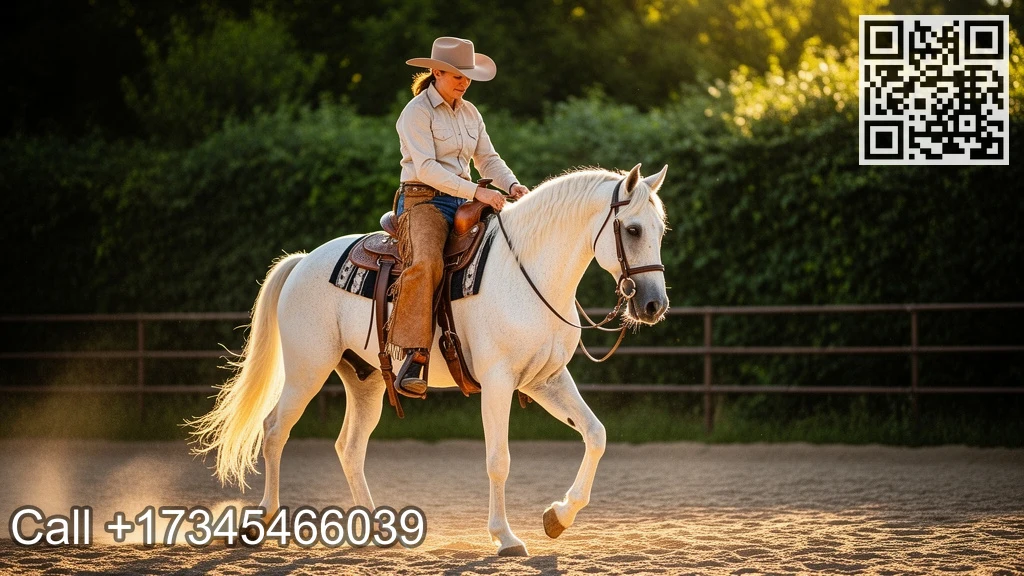
In practice, we established a horse and human up for success. Surface is chosen for footing and flow. The tack fits both horse and motorcyclist. A teacher or therapist monitors micro signs: a flicking tail can signal flies or frustration, a gone down ribcage on the rider's side can recommend tiredness, and a hand creeping toward the hair might suggest the individual is searching for get in touch with. Small adjustments, like lengthening the reins by a hole or adjusting stirrup size by half an inch, can make a nervous system claim yes.
Who tends to benefit, and where placed job shines
Mounted sessions assist kids and adults who need structured, rhythmic input to discover policy. This includes lots of people with ADHD, sensory handling differences, stress and anxiety, clinical depression, traumatic stress and anxiety histories, and learning challenges. ADHD equine finding out assistance makes use of riding patterns to exercise initiation, sequencing, and restraint. For example, a figure at the walk, called out by the motorcyclist, exercises functioning memory and motor preparation without the work of a worksheet.
In an autism equine learning program, mounted time could follow a duration of grooming or resulting in permit arousal levels to drop. The goal is not to make eye call on command but to welcome spontaneous social quotes. I have actually watched nonverbal cyclists pat their horse's shoulder after dismounting, totally unprompted. It counted for greater than any kind of forced hello.
People handling chronic pain sometimes report a contending experience during the adventure that soothes their typical discomfort cycle. Professionals with hypervigilance discover they can remain alert without remaining supported. Moms and dads have informed me they see even more adaptability after a 30 minute walk on a horse than after a day of lectures. To be clear, placed work does not change medical care or psychotherapy. It matches them, commonly as part of equine-assisted tasks and wider equine-assisted services.
Safety, ethics, and actual constraints
If you remember nothing else, remember this: mounted sessions only function when they are risk-free for the rider and kind for the horse. Weight restrictions differ based upon the individual horse, saddle, surface, and session duration. An usual standard is to maintain the total lots within a safe percent of the equine's capability, and a well‑run program will have clear plans. A barn https://jaredfnpa934.wpsuo.com/conscious-early-mornings-at-the-barn-equine-facilitated-wellness-practices with a single saintly gelding doing 8 sessions a day is not sustainable. Horses need rest, turnout, good feet, and time to be horses.
Helmets are nonnegotiable. So is notified consent. Some riders require side pedestrians and a leader. Others ride individually. If a horse pins its ears every single time a certain exercise starts, we alter the exercise. If a participant's behavior threatens the steed or staff, we stop briefly and reset. There are additionally clinical contraindications. Extreme unrestrained seizures, delicate bone conditions, or recent spinal combinations might dismiss placed work until a doctor clears it. Hatreds hay or pet dog dander might push a family members towards exterior sessions or unmounted alternatives.
The most honest groups speak freely about trade-offs. For example, bareback pads can boost sensory input however increase shear pressures on a steed's back if made use of carelessly. A western saddle can provide safety and security for a brand-new cyclist but reduce the chance to feel refined pelvic activity. We select based upon goals, physique, and the horse we have in front of us.
What a mounted session really looks like
People typically ask, what do you reconstruct there besides enter circles? The response changes with everyone, but specific patterns repeat due to the fact that the body suches as them.
Warm up usually indicates walking on a lengthy rein to let the rider and steed clear up right into each other's rhythm. I might request breath counts, like breathing out for the length of three fence panels. We include directional changes: big loops that stretch the spinal column, shallow serpentines that need mild side flexion via the motorcyclist's midsection. In some cases we quit totally and really feel the guide of the steed breathing, simply to reset.
Tasks come next. A biker that fights with sequencing, as an example, may be asked to call out entrance numbers as they pass or to touch left knee to right-hand man in time with an edge. A teenager with stress and anxiety may practice extending and reducing stride via a cone line using just breath and seat, with hands on a neck strap for security. We hardly ever trot in early sessions concentrated on policy because the walk already gives lots of input. Speed can conceal troubles. Slow-moving job reveals them so we can build real capacity.
Cool down is not made complex. We let the walk extend once more. Bikers glide their legs devoid of the braces. The system that arrived in fight or flight usually goes home closer to rest and digest.
A quick readiness checkpoint for placed work
- Can the participant rest with midline stability sufficient to secure their back over a rolling gait? Is there a strategy, concurred by caregivers and specialists, for medical considerations like seizures or orthopedic history? Does the person tolerate a headgear and basic safety gear for 30 to 45 minutes? Is the horse ideal in dimension, temperament, and training for this biker's needs? Are there sufficient trained hands readily available that day if support on the ground is needed?
If the response to any one of these is no, we do not require it. We do groundwork, we develop trust fund, and we attempt installed again later if it becomes the appropriate fit.
A situation story, two ways
T., age 9, came for anxiousness assistance with steeds. Early morning changes were a fight. At the barn, T. Began on a kind mare called Lolly. The initial rides were short, 15 minutes of walking with a leader and one side walker while T. Practiced calling what he felt under each seat bone. When he neglected to breathe, Lolly's stroll obtained rough. He observed, chuckled, and attempted again. After 6 weeks, we added a simple pattern: walk to the red cone, stop, count to 3, transform right, take a breath. The predictability mattered. T.'s educator reported he was enduring early morning meeting without leaving his chair by the end of the term. The horse did not cure stress and anxiety. The equine gave T. Sufficient regulation to use the coping approaches he currently knew.
M., age 32, sought mentoring after burnout at the workplace. She did not desire therapy, she wanted her self-confidence back. We picked a rangy gelding with a huge, swinging walk. Her job was to request for onward with her seat, not push with her heels, and to practice receiving his power without tensing. That is leadership in a body. Over four months, M. Took those sessions into her job meetings. She claimed she quit asking forgiveness before each sentence. That is equine-facilitated training in simple terms. The mounted job gave her an area to really feel clearness without debate.
What the research claims, and where we must be cautious
Small researches have actually located signals worth taking note of in equine-assisted solutions. Some reveal decreases in self‑reported anxiety after sessions. Others suggest renovations in equilibrium and core toughness for sure diagnoses. A few heart rate variability researches hint that people approach extra parasympathetic tone throughout and after installed work, which tracks with what several instructors observe.
The evidence base is still maturing. Taste dimensions are frequently small. Methods differ extensively between programs identified with the same terms. Not every benefit lasts without recurring technique. It is best to be mindful regarding declaring treatments. It is additionally fair to listen to lived experience. When a teenager that has actually not slept through a night in months naps in the backseat on the way home from the barn, something happened worth noticing.
Choosing the appropriate program for you or your child
Credentials tell part of the tale. Try to find teachers certified in therapeutic horsemanship and programs that run within recognized safety requirements. Ask exactly how they screen equines for temperament and soundness. Observe a session before dedicating. The barn must feel like an understanding room, not a carnival ride.
Match the service to your goals. If you desire concrete skill experiment executive function covered into riding lessons, equine-assisted tasks might fit. If your objectives are relational and psychological, look for equine-facilitated health or equine-assisted training. Some centers incorporate licensed psychological wellness experts into placed sessions. Others concentrate on ability structure with a solid guideline part and refer out for therapy. Neither is right for everybody. The very best indicator is whether the group pays attention and adapts.
Be curious concerning logistics. The amount of riders per horse per day. How long the sessions run. Whether there is a prepare for warmth, cold, or rainfall. Horses and human beings do not find out well when everyone is hurried or unpleasant. Sensory settings matter also. Some barns hum with noise. Others keep the aisle peaceful throughout lessons. If you are looking for a Different therapy for sensory obstacles, those ecological selections matter.
What an initial visit usually includes
Most centers begin with a conversation on the ground. We collect background: what aids and what harms, what institution or job has attempted, what the household wishes to see. Then we meet equines. If mounted job is suitable, we fit a safety helmet and try a short trip. The first session is not the moment for accomplishments of balance. It is a time to find out a steed's rhythm and see just how the body reacts when feet touch the ground again.
Here is a simple circulation lots of programs make use of for a 45 to 60 minute mounted session focused on regulation:
Arrival and check‑in, consisting of a quick body scan and objectives stated in simple language. Grooming or leading for 10 to 15 minutes to clear up stimulation and construct rapport. Mounting with a ramp or block, helmet check, and a slow walk to locate rhythm. One or 2 focused patterns matched to the day's goals, kept short adequate to succeed. Cool down, dismount, and a quick representation that captures one really felt sense to take home.The representation item is little and powerful. A cyclist could claim, my shoulders fell a little when we transformed left, or I felt consistent when I considered the trees. That supports the experience for later.
Beyond therapy clinics: learning and leadership on horseback
Mounted benefit regulation works outside clinical setups. Corporate groups often attempt group structure with equines, and while much of that job is unmounted, I have periodically placed a reluctant leader for a 5 min stroll to feel what collaboration needs. The steed will not move due to the fact that you lug a title. He moves when your body is congruent.
For teens who roll their eyes at lectures, experiential knowing with steeds delivers fast comments without embarassment. If you pull on the reins and capture with your legs at the exact same time, the equine thinks twice. Blended signals in, mixed results out. That lesson lands.
Equine-facilitated training typically utilizes mounted exercises to check out limit setup, pacing, and follow‑through. A canter leave might not get on the program, yet asking for a longer walk without collapsing posture is. Management rarely appears like even more speed. It looks like clarity at a tolerable pace.
Practical ideas for households and participants
Dress for the barn. Long pants minimize massages. Closed‑toe shoes secure toes from a bad move. Layers allow you adapt since areas are windier than living rooms. Eat a snack in advance. Starving bikers are weak riders.
Build resistance in little increments. If a rider thaws down after 20 mins, prepare for 15 next time. Celebrate basic wins. The very first time a kid loosens their hands and follows a horse's neck with their elbows is a larger accomplishment than basing on an equine like a circus act. Leave five minutes for silent bye-byes to the steed. That ritual strengthens trust.
Expect plateaus. Bodies learn in stairway steps, not smooth contours. A week with large progress occasionally leads to a week that really feels flat. Maintain the regimen. The nervous system is building capability also when it does not show.
Cost, gain access to, and making it sustainable
Prices vary commonly by area, qualifications, and facility prices. Some centers run as nonprofits and fund rides with fundraising. Others are private pay. Sliding scales exist, however waitlists can be genuine. Insurance policy insurance coverage is inconsistent. It aids to ask whether a program can integrate goals from a college plan or therapy strategy, which can in some cases open up funding streams.
Horses are expensive companions. Feed, farrier, vet treatment, and team training are not optional. If a center's prices appear high, consider what it takes to do this right. Likewise consider your travel time, since stress and anxiety in the vehicle can undo gains from an adventure. Households who drive 90 mins frequently take advantage of organizing sessions in blocks or combining placed deal with telehealth assistance to maintain gains between barn days.
When placed work is not the ideal fit
Not every situation asks for riding. Some people are terrified of height. Compeling the problem shows the body that we neglect its wisdom. Others have clinical constraints that make ground work the moral choice. I have actually had teens that showed up bent on galloping and left proud of having actually discovered to request a soft halt from the ground. Regulation is the objective, not a particular picture.
Medication adjustments can also turn the photo. If a brand-new prescription impacts balance or warm resistance, we may stop mounted sessions and transition to leading or liberty work up until the body clears up. Great programs make these decisions jointly with households and medical care providers.
How teachers make medical goals feel like play
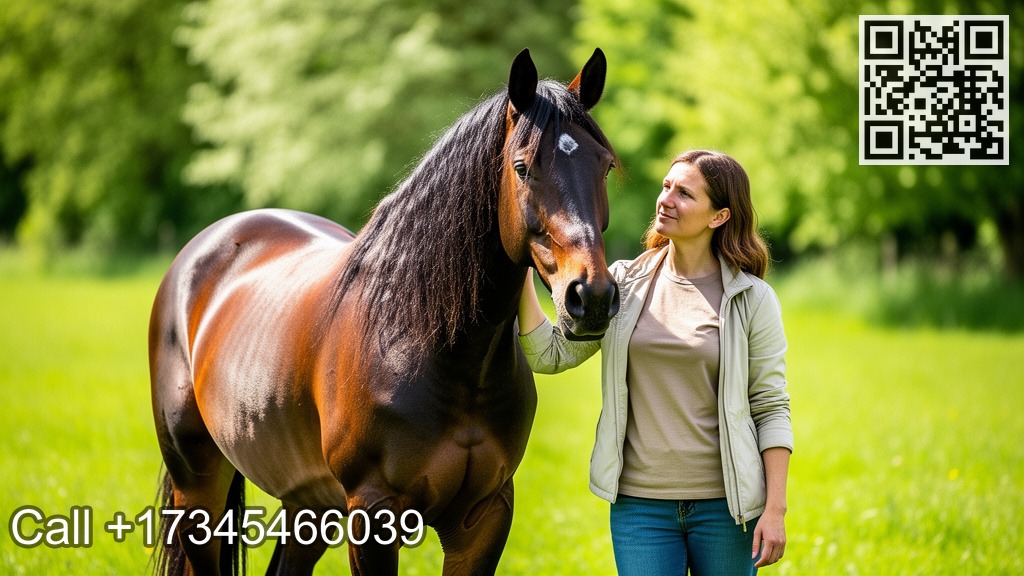
The ideal sessions appear like games. That is by design. We might set out colored poles and ask a rider to choose 2 for a course, then ride it taking a breath out through the turns. Underneath is a plan: vestibular input, exec feature technique, and rated exposure to mild obstacle. For a young rider sensitive to tactile input, we might utilize a fleece saddle cover and swap in smooth reins to decrease scratchiness. For someone who hungers for pressure, we may include a surcingle manage to enable a stronger, risk-free grip.
We see the tiny indications. A foot that starts to brace on the brace might mean fatigue or anxiety. A horse that starts to drift to the center may be caretaking a biker that is mentally taking a look at. Names matter too. I avoid informing a rider to relax. I ask them to get interested concerning what feels heavy or light, and after that we change the pattern to match that curiosity.
Bringing placed lessons home
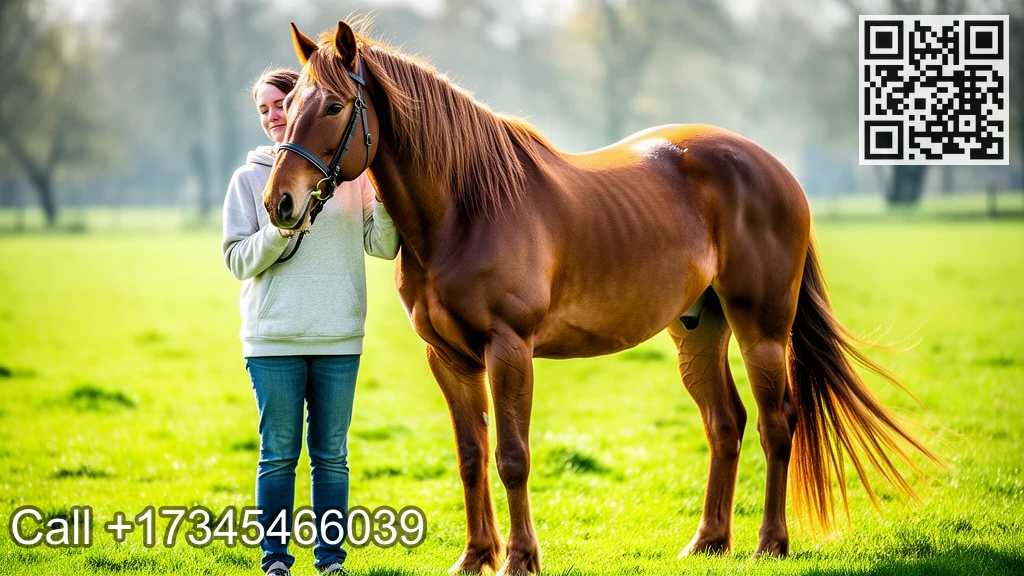
Families commonly ask just how to carry the barn sensation right into every day life. We translate the ride right into signs the body comprehends in the house. If a steed's stroll assisted a kid breathe deeper, we combine bedtime analysis with a mild shaking chair. If a teenager discovered steadiness by focusing on fencing messages, we practice strolling the dog between evenly spaced mail boxes while counting exhales. For grownups that located power in claiming more area in the saddle, we practice that shape before a conference. Not making believe to ride, however remembering the posture that permitted breath and clarity.
Teachers can aid too. A kid that regulates well after midday experiences might take advantage of having heavier academic jobs arranged for mid-days, and movement breaks that mirror installed rhythm in the early morning. Not everybody has accessibility to a barn. Rhythm stays in many places.
Where the field is going
The language around equine-assisted services is developing. Programs are getting clearer concerning scope, and collaborations with occupational therapists, mental health and wellness counselors, and physicians are more typical. This is healthy. Installed work belongs in an internet of supports, out an island. Expect to see more information in the following five to 10 years, tighter program layouts, and better equity of accessibility as community partnerships grow.
At the very same time, several of the wisdom here will certainly disappoint up neatly in spreadsheets. The means a biker's face adjustments mid trip when they drop a pattern of securing, the way a steed licks and chews after a rider lastly locates a soft seat, these are the trademarks of real knowing. They are why individuals keep coming back.
One last picture from the barn
On a late loss mid-day, I strolled close to a little kid on a shaggy horse. He had actually hesitated of almost whatever in September. By November he sang to his horse, a peaceful track from institution, and the pony's ears flicked to and fro as if maintaining time. We stopped at the back of the ring where the wind was gentler. The child placed one hand on his tummy and said, it is warm therein now. That was the session's only data point. It was enough.
Mounted sessions for somatic policy do something useful and human. They take the body seriously. They make use of the oldest technologies we have, breath and rhythm and connection, set to the steady beat of an equine's walk. Whether your course leads through restorative horsemanship, an autism equine finding out program, equine-facilitated health, or equine-assisted training, the job is the same in mind. We discover to relocate with another being, and we keep in mind just how to move with ourselves.