Walk right into a quiet sector on the edge of Dexter and the first thing you notice is your shoulders going down. The air holds a mix of clean hay, natural leather, and the soft dust that climbs when unguis murmur across sand. Horses take a breath slower than we do. They blink more frequently. They fulfill you with a presence that really feels straightforward. For people coping with anxiousness, that steadying existence can come to be a compass.
This isn't magic and it isn't a workaround for therapy that belongs in a medical professional's office. It is a sensible, body-first means to allow the nerves downshift. Through restorative horsemanship and equine-assisted services, individuals find out to check out and regulate their very own signals, not through lectures or worksheets, however with real-time comments from a pet that has survived for centuries by observing what is secure and what is not. Dexter's mix of open areas, seasonal rhythms, and a tight-knit equine neighborhood makes it a dreamland to discover that steadier gait.
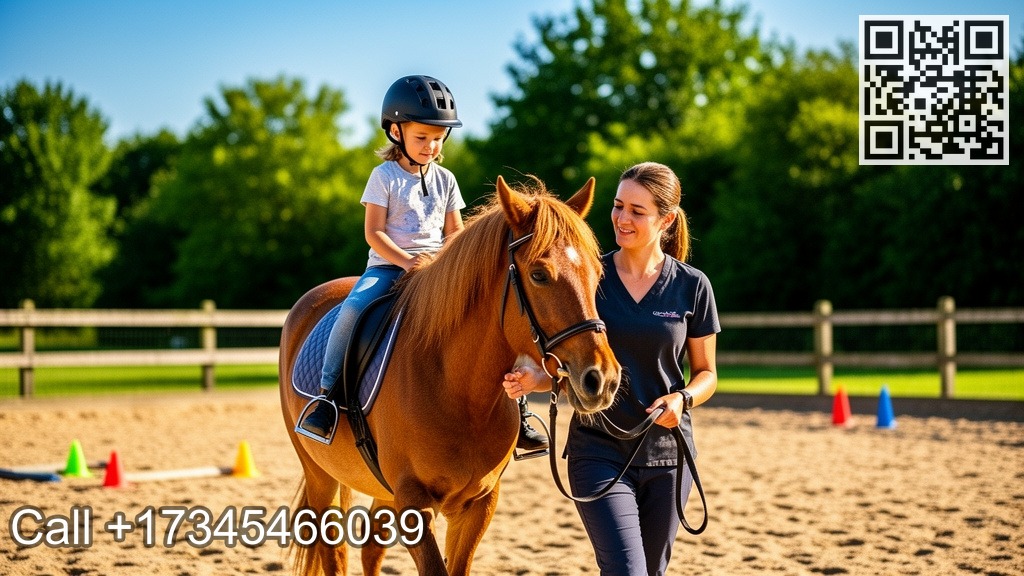
The peaceful intelligence of horses
Horses are target pets and social animals. That mix teaches them to track the environment like a radar while staying linked to their herd. They communicate with tiny shifts: a swish of tail, a softening of the eye, a lick and chew after tension launches. They mirror, occasionally magnify, the emotional tone around them.
In human terms, this implies you get a companion that answers your nervous system, not your words. If you hold your breath and square your shoulders, an equine could stop briefly or step away. When you slow your exhale and soften your emphasis, the steed may tip towards you, interested. In a therapeutic setup, we use that biofeedback to practice policy in the moment. Over time, your body learns what calm feels like, not as a concept, but as a lived sensation.
Why equines aid in anxious states
Anxiety frequently traps individuals in loopholes of overthinking, shallow breathing, and muscular tissue bracing. Reviewing a handout on coping skills hardly ever alters that, due to the fact that the body does not learn by reading. It discovers by doing and noticing. Equine-assisted activities provide the nerve system something concrete to address: the rhythm of cleaning, the feeling of a lead rope, the warmth of a muzzle in your palm.
The https://reidayfl238.capitaljays.com/posts/cultivating-safety-and-security-belonging-based-training-in-an-encouraging-ranch-room barn environment also adds context that issues. Sector work brings enough novelty to nudge the nerves right into mild activation, which is where growth occurs. Yet it stays bounded by clear guidelines and physical safety. You are not challenging a classroom or a conference room right here, you are standing with a 1,000-pound partner who will certainly not act. He will respond to your timing, quality, and consistency. That fact motivates responsible risk taking, which develops confidence.
What a session in Dexter can look like
Most anxiety assistance with steeds in Dexter unfolds in a sequence that appreciates both horse and human. A new customer may begin in a quiet paddock, sometimes even outside the fencing, just observing. Breath job isn't announced as a method. It arises naturally when the specialist asks, Would certainly you be willing to match the equine's breathing for 3 cycles and see what changes?
From there, we might move into pet grooming, since it provides repetition without pressure. Several customers report that the very first full-body brush takes 10 to 15 mins and finishes with both steed and human significantly quieter. Leading workouts normally comply with. The client methods asking for a stop and an opt for little signals, after that learns to adjust when the steed no longer complies with those signals. That inequality comes to be the product for mentoring: What did your body do right before he dropped off the rail? When you took a bigger step, exactly how did he answer?
Mounted work, if it occurs in any way, comes later and only when it adds worth. Some individuals never ride and still meet their goals. For others, the gentle sway of a walk - roughly 90 to 110 actions per min - brings a rocking motion that can resolve overactive systems, similar to the method infants calm with rhythm. Each selection is customized, not formulaic.
Sessions run 50 to 75 minutes, with the very first few mins invested in a check-in and the last couple of mins on debrief and grounding. The pacing stays sluggish for a factor. Several distressed customers can push via quickly, but the point below is to sense and respond, not to conquer.
Safety, permission, and great horsemanship
An ethical program locations equine welfare and human safety and security at the core. That implies the horses utilized in equine-assisted services turn routines to prevent exhaustion, get regular veterinarian and hoof treatment, and get downtime outdoors. It additionally means saying no when conditions aren't right. High winds, icy footing, or an equine that woke up limited can turn a session into a security threat. In Dexter, winter commonly asks us to pivot inside, into a protected field, or to focus on foundation that does not demand speed.
Consent runs both instructions. Individuals have the right to pull out of any type of workout, to step back from touch, to claim, I 'd like to see today. Equines additionally offer permission. An expert tracks ears, eyes, and posture, and will certainly readjust if a steed reveals a head toss or a limited jaw. A willing companion discovers better than a braced one, whether the learner is you or the gelding at the end of the rope.
Approaches we use, and why they differ
Equine-assisted services is an umbrella. Various methods rest under it, each with its very own focus.
In healing horsemanship, the abilities of secure handling and riding are taught with an eye towards restorative goals. You may learn to catch, halter, lead, bridegroom, and, when proper, adventure at the walk and trot. Stress and anxiety job gain from this since the skills require calm quality, and progression becomes noticeable in little steps.
Equine-assisted coaching fixate objectives for day-to-day live. A mentoring session may utilize jobs like navigating a ground post puzzle or relocating a horse with a pattern without a lead rope. The work discloses just how you establish limits, handle frustration, and request help. It fits grownups that want practical modification at work or home and pairs well with equine-facilitated mentoring in groups.
Equine-facilitated wellness connections picking up and activity to whole-person health. Experts might hint micro-movements, like seeing the weight of your feet or the feeling of your ribs, while observing the horse's reaction. This is where somatic recovery with horses lives. Anxiety usually relieves when individuals find out to name feelings and allow them move, not suppress them.
Equine-assisted tasks cover a larger array, including unmounted programs for institutions, scouts, or family members. These offer accessible entry points for those unsure concerning equines. Team building with steeds commonly falls right here, utilizing joint tasks to enhance communication under pressure.
None of these models assert to heal anxiousness. They help individuals develop regulation skills, self-confidence, and relational quality, which then sustain work finished with therapists, doctors, and family members. The key is a good match in between person, equine, and approach.
Stories from the arena
Names and a few details changed for privacy, but the shape of these experiences stays true.
An university student from Dexter arrived edgy, chatting quickly, eyes on the ground. Her initial session finished with one hand hing on a mare's shoulder for three complete breaths, and that seemed like a win. Over five weeks she found out to go back and reset when the mare pinned her ears throughout grooming. By week 8 she can request for a crisp halt and hold it for a quiet matter of five. At the end of the term she stated, I can feel the minute before my panic spikes. That provides me choices.
A dad in his fifties came in for tension administration. His work called for hard due dates and little rest. In the sector, he often tended to over-cue. The gelding responded by speeding up, then adjusting him out. We exercised smaller asks and waiting 2 secs prior to repeating any kind of cue. He hated the waiting at first. By the fourth session he chuckled, saying, Turns out I rush whatever. The week he applied the exact same two-second policy in a stressful team meeting, he felt the difference.
A middle schooler with sensory difficulties can not stand the curry comb's sound on completely dry hair. We exchanged devices, slowed the rhythm, and worked from three feet away with a long-handled brush. Gradually he moved more detailed. He found out to name the squeak as an audio, not a threat, and to march for a water break prior to overload. Alternative treatment for sensory obstacles works best when it honors each feeling truthfully, not by pushing through.
For youngsters and teenagers: ADHD and autism supports
Children and teenagers with interest differences commonly flourish in motion. ADHD equine finding out support harnesses that require for motion without reproaching it. Ask a 10-year-old to sit still and memorize a listing of steps, and you shed him. Invite him to lead a pony via 4 cones in a pattern, and you involve his body and brain together. Then you can name the executive function skills he used: planning, sequencing, impulse control. The horse's response offers instantaneous comments without judgment.
An autism equine discovering program leans into predictability and clear signals. Many neurodivergent trainees attach strongly with steeds when regimens are stable and changes are gradual. A session may start by reviewing an aesthetic schedule, then supplying choices: halter the equine with a blue or eco-friendly lead, brush with soft or medium brush, walk the figure eight or the straight line first. Those tiny choices construct firm. Social finding out occurs alongside, not face to face, which decreases stress. With time, trainees practice turn taking, viewpoint taking, and flexible thinking, all with the equine's consistent visibility as a co-teacher.
Parents usually ask exactly how usually to routine. For children and teenagers, as soon as regular help a lot of, sometimes twice regular throughout college breaks. Shorter bouts, 45 to 60 minutes, defeat marathons. And breaks matter. A week off for a family journey does not get rid of gains. The abilities live in the body and return quick when sessions resume.
For adults: stress, burnout, and leadership
Adults carry split stress: work, caregiving, financial resources, maturing parents. Anxiousness arises not only from anxiety, yet from persistent overload. Equine-assisted coaching develops a laboratory for leadership and border job. If you are a supervisor who struggles to delegate, attempt asking a horse to cross a tarp without pulling. It requires you to maintain your feet planted while your ask journeys plainly down the line. If your default is to appease, exercise saying no by setting a difficult quit at a cone and maintaining it. The horse will not resent. He will merely evaluate, after that respect consistency.
Team structure with equines takes this set degree up. A little group may be entrusted with moving 2 steeds with a training course using just body position and signals, no ropes. Inevitably, someone talks excessive, a person hangs back, and somebody attempts to do everything. Fifteen mins of organized reflection afterward can change dynamics back at the office in such a way that a slide deck can not. People keep in mind exactly how it felt to step up or step aside due to the fact that the steeds answered them in real time.
For solo experts and caretakers, equine-facilitated wellness offers a sanctuary. The body maintains rating of lengthy seasons of giving. Basing with a peaceful mare, tracking her breath, noticing your feet, and resetting your rate develops a tank you can attract from later. Clients typically claim they sleep better the night after a session. That little win matters.
Getting began in Dexter: what to anticipate on your initial visit
- A brief consumption discussion in the office or barn aisle, covering goals, background with pets, and any kind of medical or flexibility considerations A security alignment, including exactly how to move around equines, where to stand, and what signals to enjoy for A meet and welcome with a couple of steeds that fit your character and needs, frequently over a fencing first A low-demand activity such as pet grooming or leading at the walk, paced to your comfort A brief debrief with useful takeaways you can apply in between sessions
Wear closed-toe footwear with a level sole, layers for Michigan's unpredictable weather, and handwear covers if your hands are delicate to appearance. Sessions run in light rain and mild snow, however ice or tornados might prompt interior job or a reschedule.
An easy home practice obtained from the barn
- Stand with your feet hip-width, knees soft, and imagine holding a lead rope with just adequate tone to maintain a gentle curve Inhale through your nose for a count of 4, exhale with pursed lips for a count of 6, and repeat three times Name 5 feelings you really feel now, from the weight of your feet to the temperature on your cheeks Ask on your own, What is the smallest following step I can take with quality, not force, and then take it
This mini-sequence mimics what works in the arena: tone without stress, longer exhale, sensory identifying, after that one clear ask. Exercise daily for 2 weeks and track what shifts.
Weather, period, and the feel of location in Dexter
The periods shape barn life around Dexter. Springtime mud brings perseverance and boot scrapers at every door. Equines shed winter season coats by the handful, and brushing comes to be a reflection in modification. Summer season early mornings use quiet light and less flies, so previously sessions usually suit people prone to sensory bewilder. Autumn scents like apples and fresh shavings, and stress and anxiety often tends to ease when routines resolve after the beginning of institution. Winter can be one of the most relaxed time of all. The world muffles under snow, and the indoor field holds a cocoon of consistent rhythm.
We plan around conditions. On high-humidity days, sessions may stay unmounted with more breaks. When cold snaps make steel tack uncomfortable, groundwork and liberty play take center stage. Stress and anxiety does not clock out for weather, however we can adapt so your body learns flexibility without losing safety.
How progression is measured without transforming whatever into homework
Not everything that matters can be graphed, yet quality helps. We track three kinds of indicators.
First, physical: lower resting heart rate by the end of a session contrasted to the beginning, breath that normally extends, shoulders that go down, a jaw that unclenches. These signs show up on your face and in your position, and your specialist helps you observe them.
Second, functional: you can lead a steed on a loosened line at a walk, stop and start with refined cues, preserve a boundary without pulling, and go back to soothe after a startle. Each of those abilities mirrors a daily-life capacity.
Third, subjective: you report less panic spikes per week, or when they happen you recover in 5 minutes as opposed to thirty. Sleep improves in the 24 hr post-session. You really feel extra able to claim no. We may write these down every few weeks to mark arcs of adjustment, not to judge.
Frequency matters, but there is no single right number. Lots of people begin regular for 6 to 10 sessions, after that taper. Some return seasonally for a reset. We revisit objectives and change. If you feel stuck for two or three sessions, we transform the technique or the horse.
When equine job is not the appropriate fit
Part of ethical practice is naming limits. If you have extreme allergies to steeds or hay, this may not fit or secure. If you remain in active dilemma or detox, a medical setting belongs initially. If you carry injury that flares into dissociation with touch or movement, you can still work with equines, yet only with a trauma-informed professional and clear clinical assistance. If you desire quick solutions, the barn will irritate you. Horses teach in loopholes and spirals. Progression resembles two progressions, a pause, then another step.
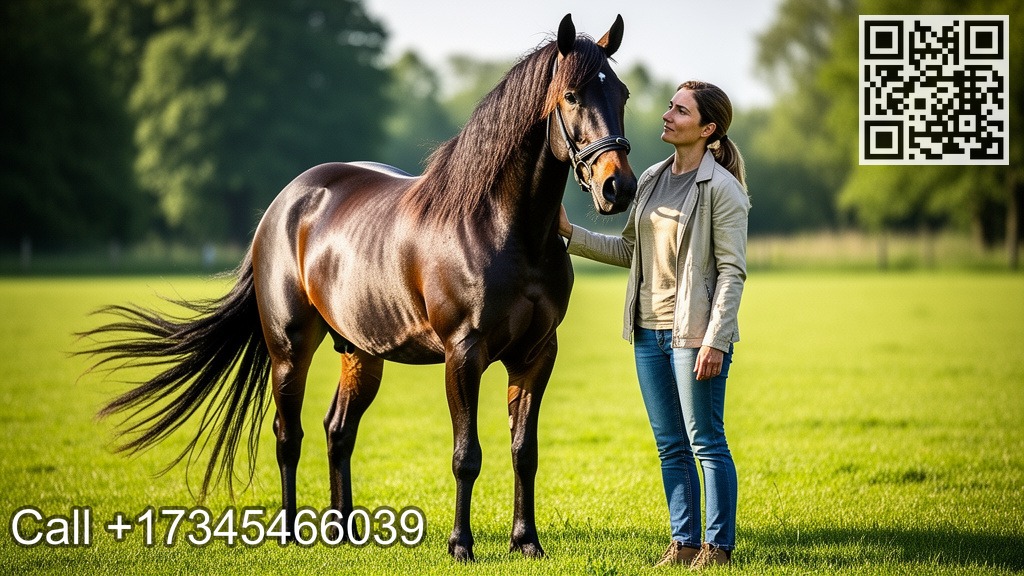
Sometimes an inequality with a particular horse masks a much deeper concern. If you really feel evaluated by an equine's refusal, you may press harder to prove something. That press welcomes us to reduce and reframe. If decreasing feels excruciating, that is details we can reclaim to your talk therapist.
How equine experiences enhance other supports
Many customers pair equine-assisted activities with therapy or medicine. The barn becomes the laboratory, the office the area to analyze what happened. A cognitive specialist could aid you reframe an anxiety, after that the equine gives you a place to evaluate that new structure versus your body's responses. A psychoanalyst may tweak a medication, then report that the somatic devices you find out with the steeds make reduced dosages possible. Clear communication amongst providers aids. With your consent, specialists can share basic motifs and objectives so everyone rows in the same direction.
Families profit also. Parents that see their child discover a stop-and-go hint commonly adopt comparable language at home. Pairs occasionally reserve a joint session to practice borders with a neutral 3rd party that takes place to put on unguis. The equine mirrors the device, not simply the individual, which makes systems visible without blame.
The function of option and voice
Anxiety usually expands at night when individuals feel caught. The barn flips that manuscript by providing choices every which way. Will you collaborate with the bay or the chestnut today? Wish to start with grooming or strolling? Would you like me on your left or your right? These micro-choices rebuild firm. Over time, customers begin articulating choices more readily outside sessions. They ask for a quieter table at a restaurant. They request a time out in a conference. They make a decision which obligations can drop without the globe ending.
Horses award quality. If you ask with your whole body, they answer. If you half-ask, they wait. That lesson lands kindly from a gelding that snaps an ear and waits on you to try again.
Dexter's area and the lengthy view
One toughness of Dexter is the internet of neighbors who know where the great hay originates from, which veterinarian gets on phone call, and how to take care of a surround a pinch. That grounded, practical society leaks into the barn. We chat clearly. We laugh when an intrusive mare unzips a layer pocket. We celebrate quiet success, like a teen who makes eye call with an equine for 2 seconds longer than last week.
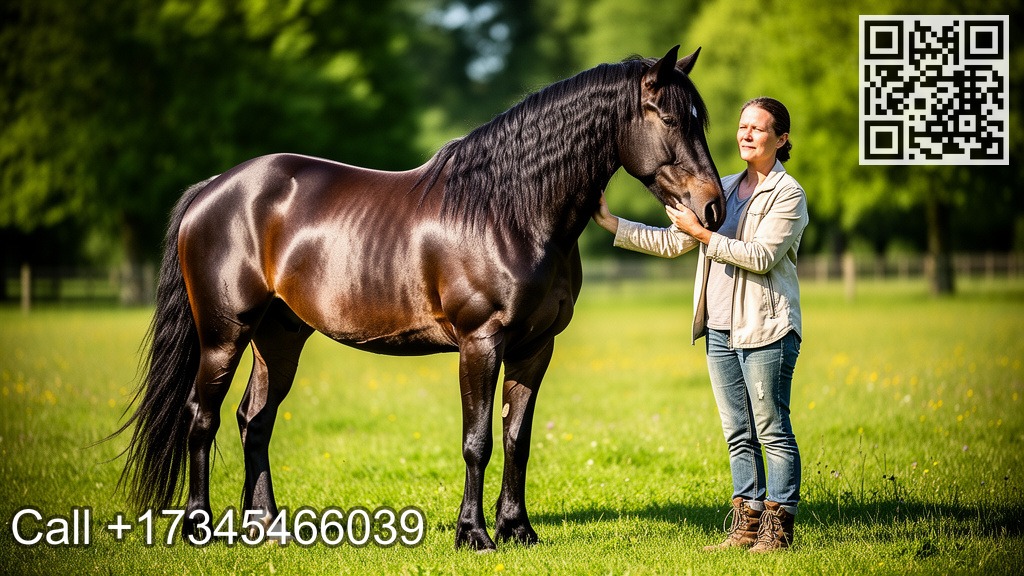
Long-term, many customers return to the barn as volunteers or take part in experiential learning with equines beyond anxiousness assistance. Some sign up with group clinics concentrated on equine-facilitated mentoring. Others register for weekend workshops on interaction or despair. The abilities transfer. A person that discovered to lead a 1,100-pound draft cross without tugging can normally hold their very own in a hard discussion without increasing their voice.
Finding your pathway to peace
Anxiety informs you to shrink your world to avoid discomfort. Horses invite you to enlarge it safely. The sector offers you a specified area, a living mirror, and the elegance to try once again. With each check out, you stack little wins. Your breath evens. Your shoulders soften. Your asks obtain cleaner. You notice earlier when your system ramps up, and you bring it down without drama.
Whether you select restorative horsemanship to construct concrete skills, equine-assisted coaching to make improvements leadership, or equine-facilitated wellness to deepen body recognition, the through line stays simple: your nervous system finds out by doing. In Dexter, amongst steeds who recognize the language of herd and home, there is room to exercise till simplicity really feels familiar. Stress and anxiety might still knock. Now you have a halter, a lead, and a means to fulfill it with steadier hands.