The gelding's ears flick toward the crushed rock path prior to I listen to the auto door close. He takes a breath out, lengthy and reduced, then squares his feet and waits. My client, a software program task manager that as soon as vowed she had "no time to feel anything," steps via eviction and stops twenty feet from him. Her shoulders live someplace near her ears most days. Not right now. She drops her gaze, softens her knees, and mirrors his exhale. By the time she takes three slow-moving advances, the muscular tissues along her jaw ultimately unclench. This is what existence resembles in an arena: 2 nerves learning to rely on the minute, one breath at a time.
Horses do not read your to‑do listing, your calendar, or your email tone. They review your body. They discover the mini tension you bring right into a space and the steadiness you build as you show up. That immediacy is the heart of equine‑facilitated health and why many people find equine‑assisted solutions a useful buddy for stress and anxiety relief, anxiety support, and sensory guideline. If you have tried talk‑only strategies and left with even more understanding than adjustment, working with a horse can assist you feel your means right into a brand-new pattern rather than discussing one.
What somatic knowing truly means in a steed arena
Somatic discovering is body‑first finding out. You track internal sensations, examination brand-new mini habits, and notice how your system shifts. In the context of equine‑assisted tasks, the equine serves as a responsive mirror. Your breath adjustments, his breathing usually alters. Your steps organize, his focus arranges. Your boundary tighten, he stops crowding your space.
An easy example: you lug a history of rushing. You approach a steed rapidly, eyes secured on his face, breath superficial. He averts or goes back. You stop, soften your look, allow your breath deepen, and transform your body thirty degrees to lower pressure. He blinks, licks, and actions toward you. The responses is immediate and symbolized. No lecture needed. The knowing lives in your legs and lungs.
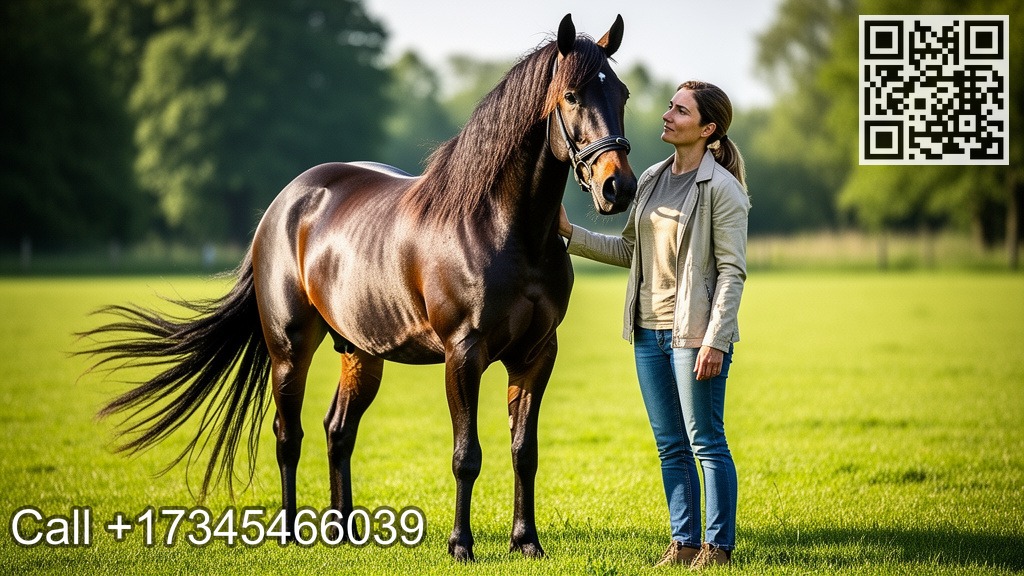
Unlike a fitness center exercise or a simply cognitive ability, somatic recovery with equines happens via co‑regulation. Steeds are victim animals with extremely tuned nervous systems. They get refined changes in your posture, breathing, and focus, and they respond in kind. That common modification offers you a living biofeedback loop. You do not need to band on sensors to recognize you have moved, although some programs do measure heart rate irregularity to enhance understanding. You can feel it in the means an equine's chest expands under your hand when your very own breath settles.
Why equines help when stress and anxiety sticks
In high stress, your attention tightens, your breath gets tight, and your body gets ready for action. It is reliable in a crisis and pricey if it turns chronic. A number of my clients show up after months or years of running as well hot, resting inadequate, and living in their heads. Steeds attract you back to today because you can not phony calmness in a paddock. An equine knows what your body is doing before you do.
Several elements make the arena a specifically tidy learning atmosphere for anxiety alleviation:
- Herd characteristics compensate clarity. Equines spend their days checking out purpose and power to remain safe. If your signal is blended, they will certainly move away or be reluctant. Clear, congruent signs welcome connection. You feel what clearness does, not simply why it matters. Physical space adjustments your options. Working on the ground with a 1,000 extra pound animal reminds your body that tiny signals have genuine result. You do much less and observe even more. The contrast with your everyday rush stands out. Ritual aids your nerve system arrive. Brushing, haltering, and leading included their very own pace, appearances, and seems. The brush on a layer, the rasp of a curry comb, the warmth under a hand, these sensory supports are invaluable for people that battle to settle.
The scientific research behind all this is developing, and careful programs stick to what can be observed and gauged. We do see sensible adjustments: steadier breathing, improved stance, much better rest reported the night after sessions, and less complicated recuperation from spikes in stress and anxiety. Some groups utilize wearables to track heart rate irregularity and resting heart price prior to and after sessions. Others rely on client‑reported ratings and behavioral pens like fewer disruptions in meetings or less jaw squeezing during a commute. The data will certainly not tell your whole tale, yet it can confirm what your body currently knows.
A tiny tale of one session
Maya, a high school teacher with a history of panic on busy early mornings, enrolled in 6 sessions of equine‑facilitated training. On the first day, she might not maintain eye get in touch with for greater than a 2nd, and her breath barely relocated her ribs. We started at the rail of a 60 by 120 foot sector, five strides from a chestnut mare called Gigi.
I asked Maya to count her steps as she strolled towards the mare. At step 4, Gigi raised her head and took one step back. Maya iced up, persuaded she had done something wrong. She had not. She had merely walked like she was late. We repeated the method with a various focus: soften the stare, breathe low, and let the feet land with weight. Same four actions, various inner rhythm. Gigi's head reduced. She breathed out. Both of them stood still.
By week 3, Maya might lead Gigi over a series of ground posts without hurrying. She had practiced a little time out at each post, a distinct breath, and a tiny glance back to recognize her partner. By week 6, Maya explained using that exact same time out at her class door. She touched the manage, breathed out, widened her focus to feel her feet, and entered with a stable voice. No person in the space knew she had been exercising with a horse, yet her trainees discovered the difference. Much less snap. More ease.
The skills that lug over
People come for stress and anxiety alleviation and entrust to a handful of resilient skills. I look for 5 that forecast good transfer to day-to-day live: grounding, pacing, limit quality, recovery, and concentrate shifting.
Grounding starts with your feet. On irregular field footing, you can not stand like a statuary. You bend your knees, allow your weight travel through your heels and toes, and feel the ground provide and hold. That comments minimizes the floaty feeling lots of nervous customers report. We practice 2 to five minutes at the start of each session, frequently while the horse forages near us.
Pacing shows up. Try to lead a horse via a slim space at your office‑hallway rate and enjoy what occurs. The majority of horses wait or stop. Slow your walk by 10 to 20 percent, breathe out as you get to the limit, and see just how cleanly they go through. That type of embodied pacing aids with entrances, lifts, and essential conversations.
Boundary quality turns up in individual area experiments. You discover to declare a circle of comfort without aggression. Go back if the equine crowds you, then welcome them in with a hand signal and a breath. Individuals usually report later that they can request a seat modification on a congested bus or step back from an aggressive coworker without apology.
Recovery is the nerves art of returning to steady after a spike. In the field, a loud noise happens or a horse shocks you with an unexpected head shake. You really feel the shock. As opposed to pressing on, you note it. Hand on belly. One longer exhale. Aim to a set factor on the fence. Within 10 to thirty secs, you can feel yourself resolve. That ability to sign up, have a tendency, and resume translates to parenting, management, and traffic jams.
Focus shifting is a learnable skill. Horses show you to expand and slim attention at will. You check the atmosphere to stay safe, then you soften your eyes and concentrate on the unguis you are choosing. At work, that comes to be the difference between staying stuck in hypervigilance and picking a single job for five minutes.
An easy arrival routine you can borrow
- Put both feet down and allow your knees unlock. Exhale gradually through the mouth, as if fogging a mirror. Widen your eyes sufficient to see left and right without moving your head. Let your arms hang and discover the weight in your hands. Name one noise and one experience you can really feel best now.
I show this at the gate, before anybody touches a lead rope. If a session did nothing else, this five‑part reset would certainly still be worth the trip.
Who advantages and exactly how programs adapt
Equine aided solutions cover a wide period, from therapeutic horsemanship to equine‑facilitated coaching. For tension alleviation, people usually come under three groups.
Adults managing chronic stress or anxiousness desire a place to exercise law without screens. Sessions frequently consist of grooming and leading, with placed job optional. Anxiety support with equines focuses on orienting, breath, and paced direct exposure to mildly triggering jobs, like asking a horse to back 3 steps and then pause.
Teens and grownups with attention differences appreciate exactly how experiential discovering with equines anchors concentrate. ADHD equine learning support uses short, clear tasks with immediate comments. Assume 90 secs of halter practice, then a movement break and a fast reset. We have fun with outside framework - cones, poles, rails - to aid inner framework emerge.
People on the autism range or with sensory processing differences take advantage of the reliable rhythms of barn life. An autism equine learning program might lean on foreseeable sequences, regular routines, and careful attention to sensory tons. One client used a heavy vest and ear defenders for the first 3 sessions while we groomed outside, after that progressively relocated inside. We tracked tolerance to seem, tactile input, and closeness to the equine, relocating at the client's pace.
Edge cases matter. Serious allergies to dander or hay can complicate sessions. A background of considerable injury may call for a qualified therapist on the group and a slower progression. If somebody has uncontrolled seizures or energetic psychosis, foundation near steeds may not be secure. An honest intake conversation protects everyone.
Sorting the alphabet soup: what different services actually do
The field uses a lot of overlapping terms. A fast overview can aid you choose the best door.
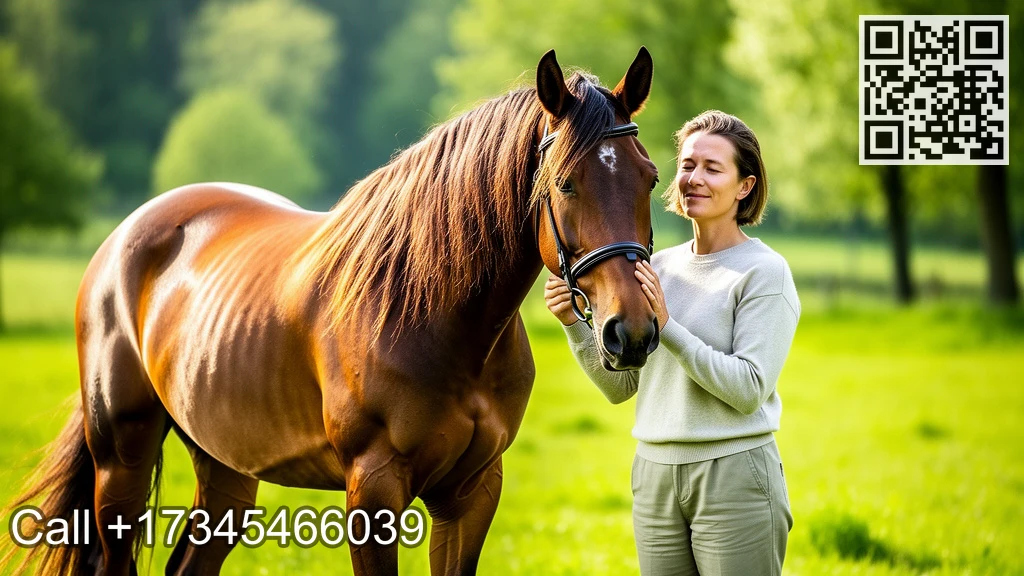
Therapeutic horsemanship usually implies skill‑based communications with horses that have healing outcomes. You find out horsemanship jobs like brushing, leading, and sometimes riding, with adaptations as required. The instructor focuses on safety, ability, and confidence.
Equine assisted activities is a broader group that includes ground skills, mounted activities, unmounted mindfulness, and barn duties. Programs might serve youth groups, veterans, or company teams. Goals can range from social abilities to sensory integration.
Equine assisted training and equine‑facilitated training focus on personal or expert development. The train guides reflection and actions change with structured workouts with steeds. Stress and anxiety relief, communication, leadership presence, and worths alignment turn up here.
Equine helped with wellness blends coaching and psychological wellness support. Some programs consist of a qualified psychological health specialist who co‑facilitates with an equine expert. This style is perfect if anxiousness or injury plays a main function and you desire both nerve system work and scientific backup.
Team structure with steeds makes use of group exercises to highlight interaction routines, clearness of functions, and count on. You promptly see who overdirects, who hangs back, and just how the team browses uncertainty. The steed's response keeps everyone honest.
These are not closed boxes. Quality depends less on tags and even more on the training of the human beings in the sector, the viability of the steeds, and the clarity of your goals.
Safety, training, and ethics you should expect
Horses are big, delicate animals. You should have a program that treats them and you with respect. Seek facilities that keep clear security procedures: headgears available for installed work, closed‑toe footwear needed, and gateways secured during sessions. Well run sectors established limitations on team dimension, usually four to six participants per facilitator, and maintain a tranquil herd of three to eight steeds ideal for the work.
Ask regarding credentials. Trainers in restorative horsemanship frequently bring qualifications through organizations such as course Intl. Or similar nationwide bodies. Practitioners in equine‑assisted training might have training https://edwinzmci456.tearosediner.net/dexter-s-recovery-hooves-therapeutic-horsemanship-near-home in both mentoring and equine habits. If mental health requirements become part of your objectives, look for a qualified therapist in the session or in close collaboration with the equine specialist. Good programs also buy horse well-being. Procedure are paced to stop overwork, steeds obtain regular veterinarian and bodywork care, and training approaches favor low‑stress handling.
Ethically, facilitators need to function within extent, refer out when issues surpass their training, and acquire informed permission. You should hear clear language about what a solution is and is not. For example, an equine‑facilitated coaching session can enhance stress and anxiety law. It is not a substitute for healthcare if you are experiencing serious anxiety or a clinical emergency.
What a session looks like, min by minute
Plan on 60 to 75 minutes for a private session. Anticipate a couple of minutes of arrival and settling, then a warmup like brushing or walking the rail while tracking breath. We move into a couple of focused workouts - perhaps halter experiment purpose matching, or a boundary drill where you ask an equine to quit at a cone and wait. Representation happens around the rail or in a quiet tack room, and after that we close with a brief reset so you leave steady, not stirred up.
Group sessions frequently run 90 mins to 2 hours to allow every person time with an equine and with the team. Company group structure with equines normally consists of a debrief that ties field patterns to workplace characteristics, with clear takeaways and following steps.
Measuring progression without getting shed in numbers
I like straightforward procedures that straighten with every day life. Prior to each session, clients rank their existing stress and anxiety from 0 to 10 and pick one body pen to track - jaw stress, tummy fluttering, or shoulder elevation. After the session, we rate again and list one behavior that felt less complicated - claiming no, slowing down speech, or moving a horse via a slim space without rushing.
For those who like information, wearables can track relaxing heart rate and sleep quality the night after sessions. Some programs measure heart price irregularity during groundwork to show real time changes. Usage numbers to confirm adjustment, not to go after perfection. Over 6 to 8 sessions, many people see steadier baseline state of mind, less spikes that derail a day, and quicker recuperation when stress and anxiety hits.
Cost, logistics, and what to wear
Fees vary by region and format. Individual equine‑facilitated training generally ranges from 100 to 225 USD per session. Team prices for group building with steeds depend upon group dimension and objectives but frequently drop between 900 and 2,500 USD for a half day. Scholarships or moving ranges might be readily available with not-for-profit centers.
Wear closed‑toe footwear with a solid step. Avoid scarves, dangly fashion jewelry, or anything that flaps. Dress in layers, barns run cooler than offices. If you are scent delicate, tell your facilitator. We can pick quieter pet grooming devices and job outdoors. If you are audio delicate, ear protection is welcome. The objective is not to survive. It is to learn exactly how to regulate with the support you need.
Five inquiries to ask prior to you book
- How do you display and select steeds for this work, and how many sessions do they do per day? What training and certifications do your facilitators hold, and how do you take care of referrals? How do you customize sessions for stress and anxiety, ADHD, or sensory sensitivities? What does a regular session consist of, and how will certainly we decide when to include or avoid installed work? How do you determine development and shield both client and horse safety?
Good answers will certainly be clear and calm. If you feel rushed or sold to, maintain looking.
When stress and anxiety appears at work, bring the arena with you
After dozens of group offsites in the barn, I have watched the exact same patterns play out: the person who sets all the cones alone, the associate who speaks to fill area while a horse awaits an easy cue, the supervisor who tries to drag the lead rope as opposed to welcoming activity. The aha minutes are functional. You see that clearness beats quantity. Positioning defeats pressure. And you practice a type of paying attention that does not end when you leave the pasture.
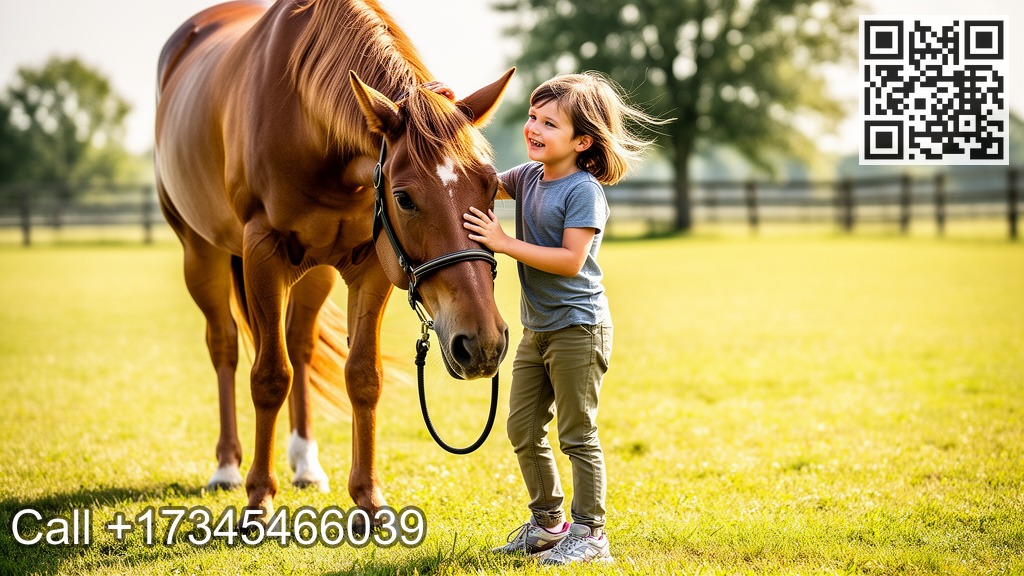
For leaders, equine‑assisted coaching hones presence. You find out to indicate intent with economy and to correct without rise. Team structure with steeds exposes rubbing without blame, transforming it right into a shared experiment. If your group has problem with trust fund or pace, a mid-day in the arena can appear the surprise levers - where you hurry, where you fold up, where you hold.
Building a bridge back home
An excellent session ends with a bridge. What will you do this night or tomorrow morning that mirrors what collaborated with the horse? We keep it little and specific. If you discovered a helpful breath cadence, established a tip on your phone to exercise it 3 times tomorrow, thirty secs each. If a hand on your mid back assisted release your shoulders, pair it with a daily job you currently do, like waiting for the kettle to steam. If boundary method transformed exactly how you asked a steed to stop, compose one sentence you can utilize with a relative or coworker - short, kind, and clear.
Barn routines make excellent home rituals. Curry brushes end up being dishwashing sponges, stable circles that calm your hands. Leading a steed with posts ends up being strolling yourself via an early morning series: feet on the flooring, drink water, breathe, open drapes, step for two mins. The material adjustments. The nerve system learns the map.
How programs take care of setbacks
Not every session feels like a win. Some days you get here hot from the freeway and a mower discharges up behind the sector. Possibly the horse you dealt with last week gets on a field break. We do not power with. We call what is hard, streamline the plan, and win a small success. If eye call felt like way too much, we switch to parallel play - you and the steed walking the imprison the same direction a couple of lawns apart. If touch set off alarm systems, we groom with a long‑handled brush or no brush whatsoever, watching breath instead.
In my notes, I track these changes as vital understanding. Life hardly ever hands you the excellent conditions. Resilience expands when you keep your routines small sufficient to survive a noisy day.
What horses get from this work
People usually ask if the horses like it. The honest response is that it depends on the program. In a healthy setup, horses show indicators of leisure during sessions - soft eyes, decreased heads, eating and licking, a swing via the back as they stroll. They get breaks, yield with buddies, and times off. We pick workouts that make sense for every individuality. An interested gelding may thrive on problem jobs with poles and cones. A reserved mare might prefer silent grooming and slow leading. When a horse signifies no - pinned ears, a tight mouth, a swishing tail that does not match the context - we listen.
This is somatic knowing for the whole herd, human beings included. Authorization matters. Timing matters. Rest matters.
Getting started
If this work calls to you, start with a telephone call and a check out. Stroll the barn aisle. Enjoy one session if the program enables observers. Meet the steed who could partner with you. Notice your breath at eviction. You are not auditioning for a riding team. You are learning to appear for your own body with aid from a types that levels kindly and fast.
Whether you select healing horsemanship for ability and confidence, equine‑assisted tasks for sensory combination, equine‑facilitated health for much deeper guideline, or equine‑assisted training for management clearness, the typical string is visibility. Tension reduces despite consistent attention. A steed fulfills you where you are, requests for harmony, and uses companionship as you practice.
I have actually seen executives deny their quantity without losing authority, teenagers with ADHD find a rhythm that fits, and parents with stressed out nerves redeem a calm voice at going to bed. None of them entrusted a perfect life. They entrusted a body that knew the back to facility, a couple of breaths each time, and the memory of a warm flank climbing under a constant hand. That is the power of visibility. The equine reveals you where it lives, after that invites you to bring it home.