The first time I saw Jake settle right into a sensory-smart saddle, he was as careful as any 9-year-old with a background of overwhelm. The arena was silent, the mare breathing like a metronome. We added a soft, textured pad that he had chosen himself, after that a manage he might grasp without securing his arm joints. 10 mins later, the bounce in his shoulders softened. He began matching his breath to the horse's exhale. By the time he dismounted, his jaw unclenched and shade had actually gone back to his cheeks. He strolled back to his mother and said, almost surprised, "My body is quieter."
That is the promise of a sensory-smart saddle when utilized with thoughtful assistance. Not a miracle remedy, not an universal solution, yet a well designed way to tune the feel of the horse to fulfill a nerve system that requires a little much less sound or a bit even more feedback.
What makes a saddle "sensory wise"
A sensory-smart saddle is not a single brand name or a secret plan. It is a principle. The saddle, pads, girth, stirrups, and accessories are selected and adapted to transform exactly how the cyclist gets input from the horse. The objective is to modulate sensation so the nerves can listen without being flooded.
Three sensory networks matter most on horseback. The vestibular system reads activity and positioning. The proprioceptive system reads joint stress and muscular tissue effort. The tactile system reads touch, appearance, and temperature. Horseback movement boosts all three. An excellent sensory configuration provides the correct amount of info at the correct time, which is why equine-assisted solutions typically couple steady equines with work-related therapy insight.
- Vestibular input originates from the equine's balanced gait, especially at the walk. Upright positioning, foreseeable tempo, and sustained changes help nervous systems organize. Proprioceptive input comes from weight via the legs, core co-contraction, and steady stress at points of get in touch with. Heavy components and snug, also contact can be calming for those who look for deep pressure. Tactile input originates from the pad versus the rider's legs, the feeling of the seat, the handle under the hands, and even the steed's layer. Appearance can either relieve or scrape, relying on the person.
When a teacher mentions therapeutic horsemanship, this design lens is often at work. We adjust the saddle, the pad, or the braces not for style factors yet to alter sensory load. Inside many autism equine learning program setups, relatively small selections like fleece versus leather can decide whether a session fizzles or flows.
The building blocks: parts that change sensation
After two decades suitable saddles for equine-assisted tasks and personal lessons, I have a list of components that continually assist bikers with sensory difficulties. Not all are utilized simultaneously. The art depends on selecting as couple of as feasible to achieve the needed effect.
Seat and framework. Deep seats help motorcyclists really feel contained, while open flatter seats enable even more movement. Some motorcyclists locate a western or route burden a moderate cantle produces a clear back boundary without feeling entraped. Others favor a well balanced English saddle or a purpose built therapy encumber large surface area get in touch with to disperse pressure.
Handles and grips. A front manage, whether integrated on a treatment saddle or included as a soft grab strap, offers the hands a work. The technique is to stay clear of white-knuckle gripping. A rounded, padded deal with about 3 inches above the pommel typically encourages neutral wrists and elbows. In my experience, a home-rigged band also near the seat usually produces tension.
Stirrups and leg placement. Stirrups include proprioceptive feedback and a based feeling of where the body is in area. Safety braces that release under lots are vital for programs. Some motorcyclists take advantage of toe cages so they can push without bothering with foot placement. Others do better without stirrups, utilizing a bareback pad or thick foam pad to absorb resonance and advertise mild hip motion.

Padding and texture. This is where sensory-smart saddles absolutely come alive. Sheepskin pads lower shear and include a soft, temperature-regulating surface area. High thickness foam inserts dampen resonance for motorcyclists that are conveniently shocked by activity. Textured pads, like quilted cotton with an obvious weave, can assist a rider locate their seat bones. I maintain numerous pad structures and allow riders touch, compare, and pick when appropriate.
Weighted elements. Subtle weights can offer calming input. A half extra pound to one extra pound of distributed weight added under the flap or a lightly weighted lap pad throughout the thighs might anchor a spooked rider. The overall weight must be negligible for the horse and within the saddle's equilibrium variety. Too much weight undercuts the trip and can make a delicate motorcyclist really feel reduced and trapped.
Girth and surcingle. A wide, elasticized girth that hugs equally can feel like a reassuring belt. If the cyclist do without a saddle, a surcingle with takes care of and a double-thickness pad can create safe get in touch with factors without the intricacy of a full tree.
Vibration considerations. Horses vary in just how much movement they transmit. Broad backed, smooth-striding equines often really feel less jarring. If a motorcyclist surprises at unforeseen bounce, select that equine and add a damping pad. For cyclists under-responsive to experience, a springier mover may work with very little extra padding to heighten feedback.
These options rest inside the larger framework of equine-assisted solutions. Sensory-smart saddles are a tool in the set. The preparation constantly takes place around the person, the horse, and the session goals.
Why this counts for sensory regulation
Parents frequently ask why the horse assists when swings and weighted coverings have actually just relocated the needle a little. 2 factors come up repetitively in practice.
First, the equine's walk mirrors human pelvic motion. At a constant stroll, a cyclist gets gentle tri-planar activity that estimates how we move via room on our very own feet. That arranged rhythm appears to aid the mind map the body. Tiny studies have actually come along in postural control and focus after once a week equine sessions. Results vary by age and medical diagnosis, but the pattern knows on the sector rail.
Second, co-regulation. A horse's breathing and heart price offer living metronomes. Motorcyclists who struggle to downshift their nerves usually find it much easier to match another being than to adhere to a timer or a recording. When we combine that co-regulation with the right level of responsive and proprioceptive input from a sensory-smart saddle, the body has an opportunity to notice safety and security again.
I have actually seen teens with ADHD concentrate long enough to find out a basic pattern trip, then bring that focus into school the next morning. I have likewise seen setbacks when a program relocated too quick or altered tools without warning. Sensory-smart ways responsive, not elaborate.
A quiet craft: fitting series that appreciates the motorcyclist and the horse
Here is a straightforward sequence I use when presenting sensory-smart saddles. It avoids shock and maintains the steed's comfort at the center.
- Start on the ground with touch options. Deal two pad structures and a take care of to feel. Let the rider choice one. Fit the steed initially. Examine the saddle's balance and wither clearance, after that stroll the equine in hand to confirm complimentary shoulder movement. Add the cyclist in stages. Mount, time out, take a breath, after that walk one short loophole. Adjust just one variable at a time. Check stress points. Move a hand under the thighs and along the girth location for hot spots or feeling numb indicators after a couple of minutes. Keep a brief very first session. End while regulation is strong, log what functioned, and repeat the following visit.
This is not a science-lab method. It is a gentle rhythm that honors both partners. The horse's welfare is nonnegotiable. If the horse shows pinned ears, tail swishing, or short steps after devices modifications, quit and reassess. A comfortable steed is a better co-therapist.
Anxiety, autism, and ADHD: exactly how needs diverge
No 2 nervous systems offer the very same, and analysis labels just hint at what an individual will feel on an equine. Still, patterns help us prepare.
For cyclists seeking stress and anxiety support with horses, predictability issues. A handle that really feels the exact same each experience, a pad they recognize by feeling, and a horse with a slow, even stroll create a sense of control. Breath signs match well with steady proprioception. I frequently include a gently heavy lap pad across the thighs for the first few mins, after that remove it as the biker settles.
In an autism equine finding https://cashguhn871.yousher.com/saddle-up-for-self-discovery-therapeutic-horsemanship-for-adults out program, sensory profiles vary extensively. One 12-year-old might long for deep pressure and endure a stronger, a lot more encompassing burden toe cages and a snug girth. Another may need minimal get in touch with, soft textures, and a really brief session to avoid overload. Aesthetic timetables and responsive devices can work together on the equine. When a rider can touch a distinctive pen on the deal with to signal "time out," they find out company without confrontation.
ADHD equine learning support frequently benefits from clear physical limits with opportunities to move. Braces set to urge a slight bend at the knee, a handle for transitional minutes only, and short, deliberate tasks like cone weaving engage focus while offering responses. I avoid overpadding in these situations. Excessive damping makes the trip feel boring and can really increase fidgeting.
Coaching and learning beyond therapy
Sensory-smart devices is not restricted to medical sessions. Equine-facilitated training and equine-facilitated health care make use of equines for experiential knowing. Grownups in management workshops usually find their very own sensory choices on horseback. One exec I collaborated with discovered he held his breath in any type of new job. We exchanged a glossy natural leather seat for a grippy suede pad and added a soft grab strap. With that tactile support, he located he could breathe and move his hips with the equine instead of bracing. The discovering moved right into exactly how he managed tough meetings.
In team building with steeds, a few sensory-smart choices allow participants choose comfort without excitement. Some will select a distinctive pad and a solid handle for ground exercises, others will like a minimal configuration. That choice often ends up being a mentoring discussion about just how they regulate under stress. This is experiential understanding with equines at its finest, where equipment fulfills insight.
Safety, ethics, and the equine's say
Ethics stay in the little selections. The horse is not a tool. Modification one variable at once. Keep the overall weight within the steed's capability, that includes the motorcyclist and all equipment. Generally of thumb, lots of programs top complete load at around 15 to 20 percent of the horse's body weight, after that adjust based on the steed's construct and fitness. If your saddle plus pads include numerous added pounds, select a steed conveniently within the range.
Clean equipment on a regular basis. Some riders react to remaining cleaning agent, woollen, or neoprene. If latex allergic reactions remain in play, prevent specific foam pads or make certain they are fully encased. Mark gear by appearance and feature so you can duplicate a successful arrangement week to week.
Pair a seasoned equine trainer with a qualified facilitator. If you are supplying equine-assisted solutions, keep paperwork of staff training and incident response. The best sensory planning will not make up for a barn that attempts to do too much with insufficient support.
Common pitfalls
The most constant error I see is piling on a lot of solutions at the same time. Heavy pad, deep seat, double foam inserts, unique braces, two manages. The motorcyclist winds up isolated from the horse's movement and embeded a narrow position. Begin with the least quantity of equipment that addresses the main problem.
Another mistake is transforming appearance or grip without caution. For a rider that depends on familiar feeling to really feel safe, a brand-new pad can make an old equine seem like an unfamiliar person. If you should change gear, reveal the rider on the ground and welcome their input.
Finally, keep in mind that some bodies carry orthopedic risks. Riders with unpredictable hips, recent spinal fusion, or unchecked seizures might require clinical clearance and adjusted tasks on the ground first. Lots of programs team up with doctor to make a decision the best path.
Evidence and expectations
Research on equine-facilitated treatments is expanding yet still uneven. Little randomized trials and larger empirical studies have reported gains in equilibrium, core toughness, and self-regulation amongst children with autism and attention challenges after 8 to 12 weeks of sessions. Parent reports regularly note improved state of mind and rest on trip days. Not every individual improves in the same way, and not every gain holds without recurring support.
The tools piece is also much less researched, primarily dealt with in practice literature. That is where specialist logs, moms and dad journals, and objective monitoring assistance. Use easy actions, such as the number of spontaneous deep breaths a rider takes per min, or time on task during an installed pattern. Tools like Goal Attainment Scaling let you track individualized outcomes without compeling a one-size metric.
Set expectations around the process. Sensory regulation commonly boosts during and quickly after sessions before it generalises. Expect an understanding curve over the first three to 5 sees as you fine-tune appearances, fit, and timing.
Cost, sourcing, and straightforward swaps
Outfitting a sensory-smart configuration does not call for a customized $3,000 saddle. Many programs work within existing tack spaces, including a few targeted items. A quality sheepskin pad may set you back a few hundred dollars. Foam inserts and safety and security stirrups differ commonly. Soft grab straps are affordable and make a huge difference.
When budgets are tight, I focus on: a safe, appropriately fitted saddle for the horse, a reliable take care of, and 2 pad appearances. Obtain before you acquire. If a motorcyclist take advantage of included weight, usage readily readily available, inconspicuous alternatives made for treatment as opposed to improvisating with family things. Equilibrium and even circulation matter.
A brief readiness check for new riders
Here is a fast, plain-language checkpoint I show to households and grownups considering a sensory-smart approach.
- Can you rest with feet level and accept gentle side-to-side movement for 10 seconds? Do you tolerate light discuss your upper legs and reduced back from apparel without itching or pain? When anxious, do you find stable stress or a company hug calming? Are you able to comply with an easy two-step direction with assistance, like "hold the manage, then take a breath out"? Is there a physician we should chat with first about hips, back, or seizure history?
A no to any kind of thing does not close the door. It simply guides where we begin, possibly on the ground with the steed free, exercising breath job and touch choices.
How sessions unfold when the tools really fits
On a good day with a brand-new motorcyclist, the barn scents like hay and natural leather polish, the horse stands square, and the initial touch takes place on the ground. The cyclist rubs the sheepskin pad and informs me it feels like her granny's winter layer. We hint the horse to walk on the lead line and suit actions. The rider methods a soft capture on the deal with without leaning. We stop often and observe.
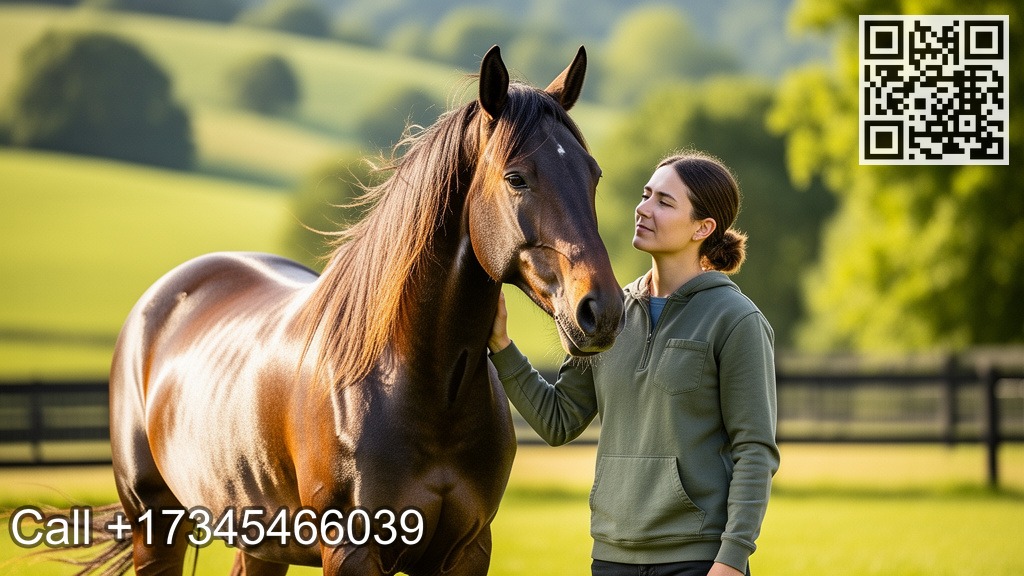
Mounted, the steed walks a brief track, then stops with a breath cue. We check brace size and tweak the girth fifty percent a hole. The cyclist notices her feet. She states the pad really feels cozy. Five minutes later she yawns, the best check in guide. We end by allowing her choose where to place the tack away, hands level to press the pad right into area. It is sensory combination without a lecture.
With teens and adults, the form can be a lot more conversational. One boy with sensory looking for patterns could only work out when pressing tough through his feet. We added toe cages so he can push without anxiety, after that trained him to exhale on the lengthy side of the arena and soften his knees on the short side. The equines taught him a pacing technique that later on showed up in his research study habits.
Blending body work and learning
Sensory-smart saddles belong in a more comprehensive ecology. Somatic recovery with equines utilizes activity and recognition to aid individuals feel comfortable in their bodies. Equine-assisted coaching web links that body awareness with individual or expert goals. The saddle comes to be a facilitator, not a star.
One train I appreciate alternates between installed work and peaceful time in the field, asking clients to name 3 various sensations they see in each context. The option of a textured versus a smooth pad becomes a metaphor for just how they take care of rubbing at the workplace. The steed reacts to interior shifts far more truthfully than a human audience. Individuals entrust a really felt sense, not just an idea.
The horse's understanding curve
We can not forget the equine partner's experience of all this sensory tuning. Some equines take to therapy tack instantly. Others require time with brand-new pads and manages moving around their barrel. Desensitization sessions should be short, clear, and kind, always adhered to by rest. Expect refined stress: limited lips, high head carriage, or breathing changes.
Rotate equines with different sorts of work to protect their mental wellness. Not every steady mount wishes to be a treatment steed five days a week. Some shine in equine-facilitated wellness teams where placed work is marginal, others enjoy the predictability of quiet lead-line sessions. The even more we listen, the much better our outcomes.
When the saddle is not the answer
There are days to skip the adventure. Illness, migraine headaches, bad rest, warm windy mid-days when also experienced equines feel electric. For some sensory accounts, the barn itself is abundant enough. Grooming with option of brush textures, leading over poles, or practicing breath close to a hay internet might give the regulation required without including motion.
There are likewise people for whom mounted work is not ideal. Extreme hip subluxation threat, unchecked epilepsy, or pain with axial loading might ask for ground-based equine-assisted activities just. Framing that limit as care, not exclusion, keeps the door open up to benefits that do not rely on a saddle at all.
A few words on documentation and continuity
Programs that prosper track information. Jot down the precise pad and saddle combination, stirrup size in openings or inches, girth opening count on each side, and the steed's name. Note cyclist observations in their very own words. "Seat feels cozy and blurry" is better than "great resistance."
Share these notes with the more comprehensive treatment group when pertinent. Physical therapists, counselors, and instructors can reinforce regulation techniques recognized in the arena. When equine-assisted solutions sit together with college sustains or therapy, gains frequently stick a lot more reliably.
The heart of it
I keep going back to Jake, who discovered his body quieter with a couple of tiny changes and a type horse. Sensory-smart saddles are not elegant. They are modest tools that make their maintain by allowing the rider meet the horse in such a way the nerve system can deal with. For some, that means barely-there padding and a dynamic stroll. For others, it suggests a textured seat, a positive handle, and a sluggish lap around the sector with a trusted leader.
Call it alternative therapy for sensory challenges if you like. In my barn, it looks like 2 beings learning to take a breath with each other, sustained by equipment that respects both. That finding out transfers. A youngster who can feel their seat bones and count 3 breaths at the walk usually locates they can sit through a math lesson. A grownup that finds their hips once again on a tough mare steps into difficult conversations with less armor.
Whether your focus is therapeutic horsemanship, equine-facilitated training, or community-based equine-assisted tasks, the principle holds. Tune the sensory input to the motorcyclist, recognize the equine, and let the work unfold at a human pace.